
Introduction
Transitioning from military to civilian life is often an invisible challenge for women veterans. Subtle cues like sleeplessness, withdrawal, or mood shifts can go unnoticed, but early recognition is crucial. By understanding these signs and responding with empathy, loved ones and allies can open the door to healing. This guide explores five key signs a woman veteran may need support and how Hi-Five creates meaningful pathways to recovery.
The Silent Weight of Isolation and Withdrawal
Isolation frequently shadows the transition from military to civilian life. The abrupt loss of structure, camaraderie, and shared mission can leave women veterans feeling invisible. Research shows that social disconnect intensifies depression and anxiety symptoms for former service members. Signs of withdrawal may include pulling away from friends or family, skipping hobbies, or expressing feelings of not belonging. Stigma around mental health can make it even harder for women to reach out, as they may fear judgment or being perceived as weak.
How Allies Can Help
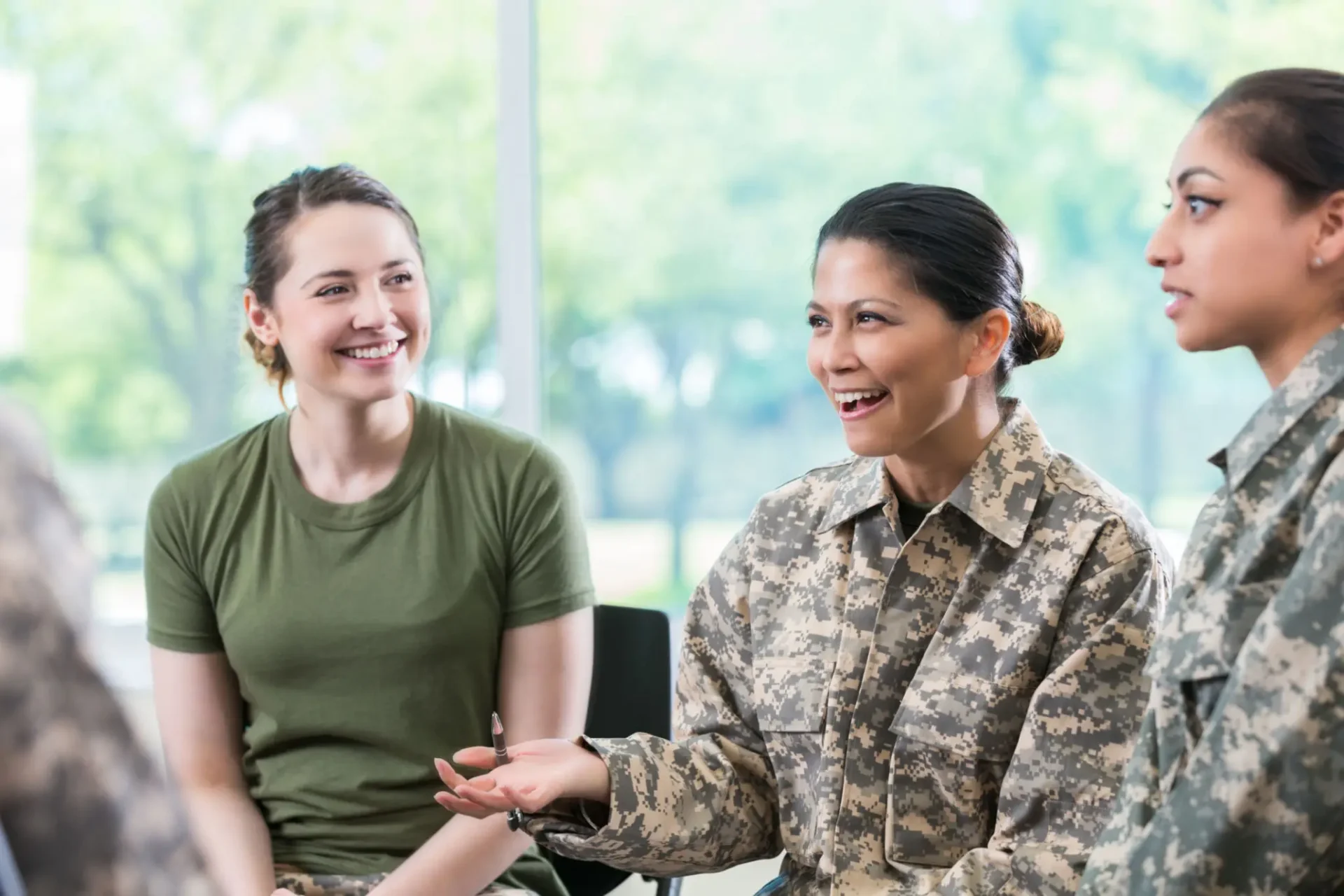
Offer judgment-free spaces with comforting settings and open-ended questions. Encourage participation in veteran peer support groups like local VFW posts, VA Women’s Circles, or Hi-Five’s “Small Talk” sessions. Provide practical support, such as accompanying them to meetups or sending caring check-ins. Early connection is crucial; even a single supportive interaction can reduce depression risk. Hi-Five enhances this by providing rides, childcare stipends, and facilitators attuned to women’s needs, ensuring no veteran has to walk the path alone.
Unseen Wounds and Trauma Responses
Many female veterans live with trauma, often from military sexual trauma (MST), intimate partner violence, or combat experiences. PTSD can manifest as irritability, tearfulness, or hypervigilance in everyday situations. Women may oscillate between heightened alertness and emotional numbness, sometimes reacting strongly to triggers. Social and hormonal factors may intensify anxiety or flashbacks, while expectations can cause women to internalize distress.
Supportive Conversations
Initiate discussions with empathy, using observations such as “I’ve noticed you seem on edge lately. Want to talk about what’s behind that?” or “Would it help to talk with someone familiar with military culture?” Hi-Five connects women with trauma-informed clinicians and mentors who share similar backgrounds, delivering crisis intervention within 30 minutes. Telehealth options eliminate barriers for rural women, making help accessible wherever they are.
Additional Trauma Resources
The National Center for PTSD (VA) and the Rape, Abuse & Incest National Network (RAINN) can provide further assistance. When combined with Hi-Five’s welcoming spaces, these resources create a supportive network tailored to women veterans’ unique mental health needs.
Shifting Shadows in Sleep, Appetite, and Routines
Adapting to civilian life can disrupt sleep, appetite, and daily routines. Veterans used to irregular duty schedules may experience insomnia or oversleeping. Changes in weight and self-care are common, especially for those juggling new caregiving responsibilities. Signs include staying awake late, sleeping excessively, skipping meals, or feeling overwhelmed by daily tasks. Such changes can affect emotional well-being and reproductive health, including hormonal balance and fertility concerns.
Practical Coping Tools
Support can include sleep kits with herbal tea and eye masks, journals for tracking mood and hunger cues, or “body-double” self-care, where a friend is present during tough tasks. Healthcare providers can help by exploring underlying medical issues and connecting women to mental health resources. Hi-Five’s online directory features female-friendly nutritionists, yoga instructors, and mindfulness apps, many at little or no cost.
The Quiet Echo of Hopelessness and Loss of Purpose
The loss of military structure and mission can lead to existential questions like “Who am I now?” Persistent sadness, lack of future plans, or statements such as “Everyone would be better without me” may signal depression and increased suicide risk. Additional warning signs include organizing personal affairs, giving away meaningful possessions, expressing overwhelming guilt about past deployments, or a sudden calm following distress.
Supportive Responses for Loved Ones
Listen without judgment and avoid minimizing feelings. Acknowledge their pain with statements like “It makes sense you feel lost after such a big change.” Connect immediately to 988 (press 1 for veterans) or Hi-Five’s 24/7 crisis line if there is any concern for safety.
Rebuilding Purpose with Hi-Five
Mentorships with female leaders, workshops to translate military skills into new careers, and community projects help restore meaning and connection. Many program graduates report reduced suicidal thoughts and renewed hope for the future.
Breaking the Silence and Overcoming Stigma
Despite growing needs, many women hesitate to seek help due to fears of being seen as weak, harassment in VA clinics, or logistical barriers like childcare or distance. Stigma and practical issues can prevent access to care, especially for those living in rural areas.
Ways to Normalize Care
Frame therapy as wellness maintenance for the mind. Share peer success stories to highlight resilience. Use inclusive language when discussing care options. These steps can help break down stigma and encourage women to seek the help they deserve.
Hi-Five’s Holistic, Boho-Inspired Approach
Hi-Five offers spaces with natural textures, calming colors, and supportive circles. Evidence-based therapies such as cognitive behavioral therapy (CBT) and eye movement desensitization and reprocessing (EMDR) are paired with creative outlets like journaling and crafts. This approach meets sensory and emotional needs, resulting in higher satisfaction and lower dropout rates compared to conventional clinics.
Distinctive Elements of Hi-Five
Co-created programs are shaped by participant feedback every quarter, ensuring support stays relevant. The layered care spectrum includes crisis lines, therapy, coaching, and mentorship, offering one-stop access that simplifies support. Nationwide and telehealth options bridge rural gaps, while warm, boho-inspired spaces reduce anxiety and encourage trust.
Choosing the Right Path
If safety is urgent, use crisis intervention for veterans by calling 988. For connection, join a veteran peer support group online. For growth, enroll in a skill-building cohort with Hi-Five. Each step is designed to honor the unique journey of every woman veteran.
Empowering Female Veterans to Heal and Thrive
Recognizing the five signs—withdrawal, emotional turbulence, disrupted routines, hopelessness, and stigma—creates opportunities for timely intervention. By cultivating safe spaces, compassionate conversations, and resource connections, Hi-Five supports every woman veteran’s path to healing. If you are a veteran, loved one, or ally, your engagement can spark change. Discover more in our resources.
References
The State of Veteran Suicide (2025 Update)
Invisible Ranks The Untold Battle for Women Veterans’ Mental Health
Barriers and Facilitators to Behavioral Healthcare for Women Veterans
Bridging the Gap Enhancing Outreach to Support Veterans Mental Health
From Combat to Community Penn State Study Shows Veterans’ Mental Health Forged Beyond Battlefields